It is a practice for the body and the brain, so that they do not forget there exists a zone that belongs neither to the state nor to parties, corporations, owners, or social networks. It belongs to those excluded from every calculation and every system. It belongs to neither this nor that, which is precisely the third zone, a placelessness that is created for us to learn to experience the difficulty of the bond. For the whole matter is only about the bond. Love is a third zone, friendship is a third zone, and a human gathering against them is a third zone. The examples are many. Whenever we turn to the other outside of relations based on money and sheer self-interest, we are in the work of creating a third zone.
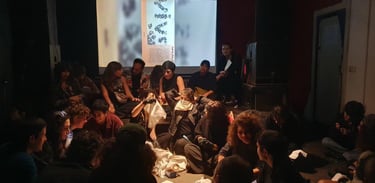
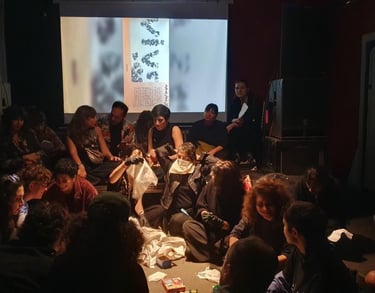
Now we must ask: how do we understand the topology of this third zone before we even bring it into being?
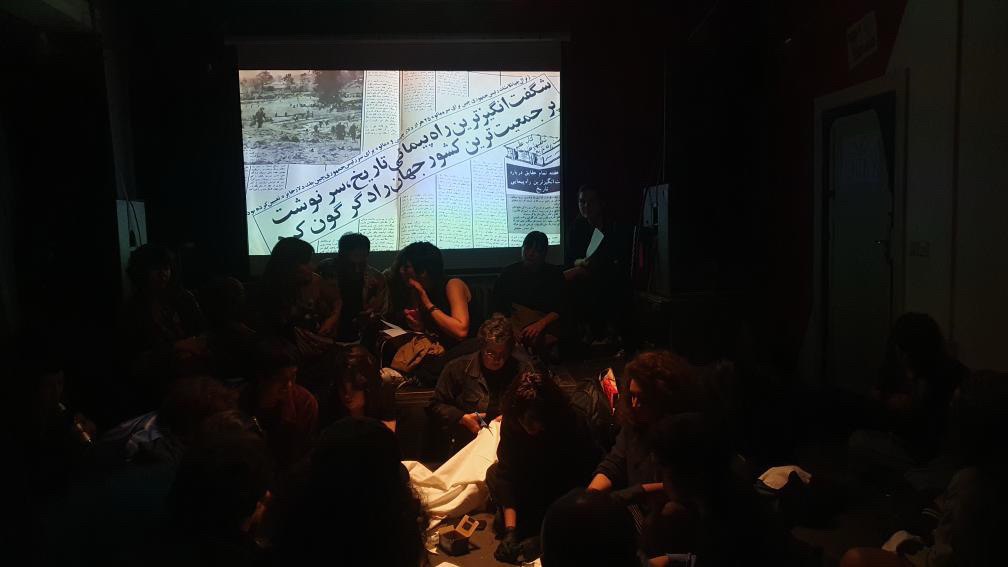
This performance seeks to activate the body's memory to create a chemistry of bonds between bodies, between the solitary, a space of being together where we can speak, recall, and know. We want to say: Act, when bound to remembrance, is nothing but a way of being. A mode of existence and becoming that constantly tells us we were there on that day. And when that day comes again, we will be there. Being there, where its shadow always stretches over here. Here and elsewhere, anywhere our body and mind may be.
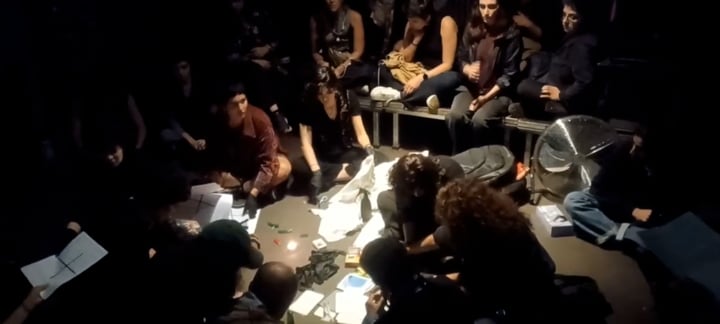
BODY WITHOUT IMAGE
The Third Zone
Berlin, 2025
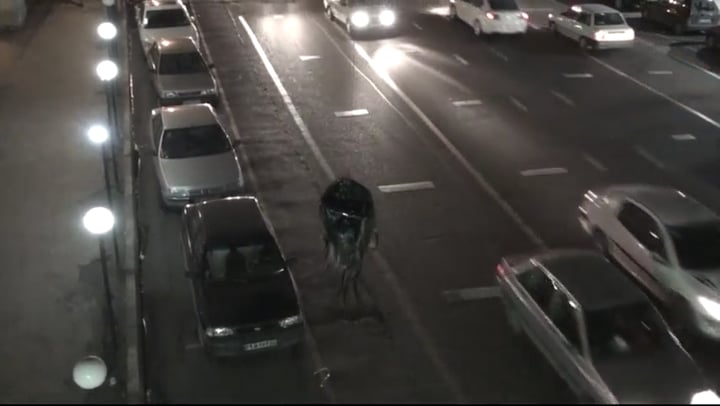
This urban intervention was carried out in 2011 on the night of Ashura during the month of Muharram, at the anniversary of the Green Movement and under the most severe security restrictions following the violent suppression of protests. In this tense atmosphere, a sudden visual disruption appeared on one of Tehran’s well-known bridges.
Dozens of wigs made from women’s hair, resembling severed female heads, were suspended from the bridge and left to move freely in the wind for several hours. The wigs temporarily occupied the street as a spectral testimony to absent bodies, evoking the missing heads and bodies of women whose presence is systematically controlled, erased, or displaced within the public sphere.
Through this gesture, the bridge became a site where the “Other” announced its presence.
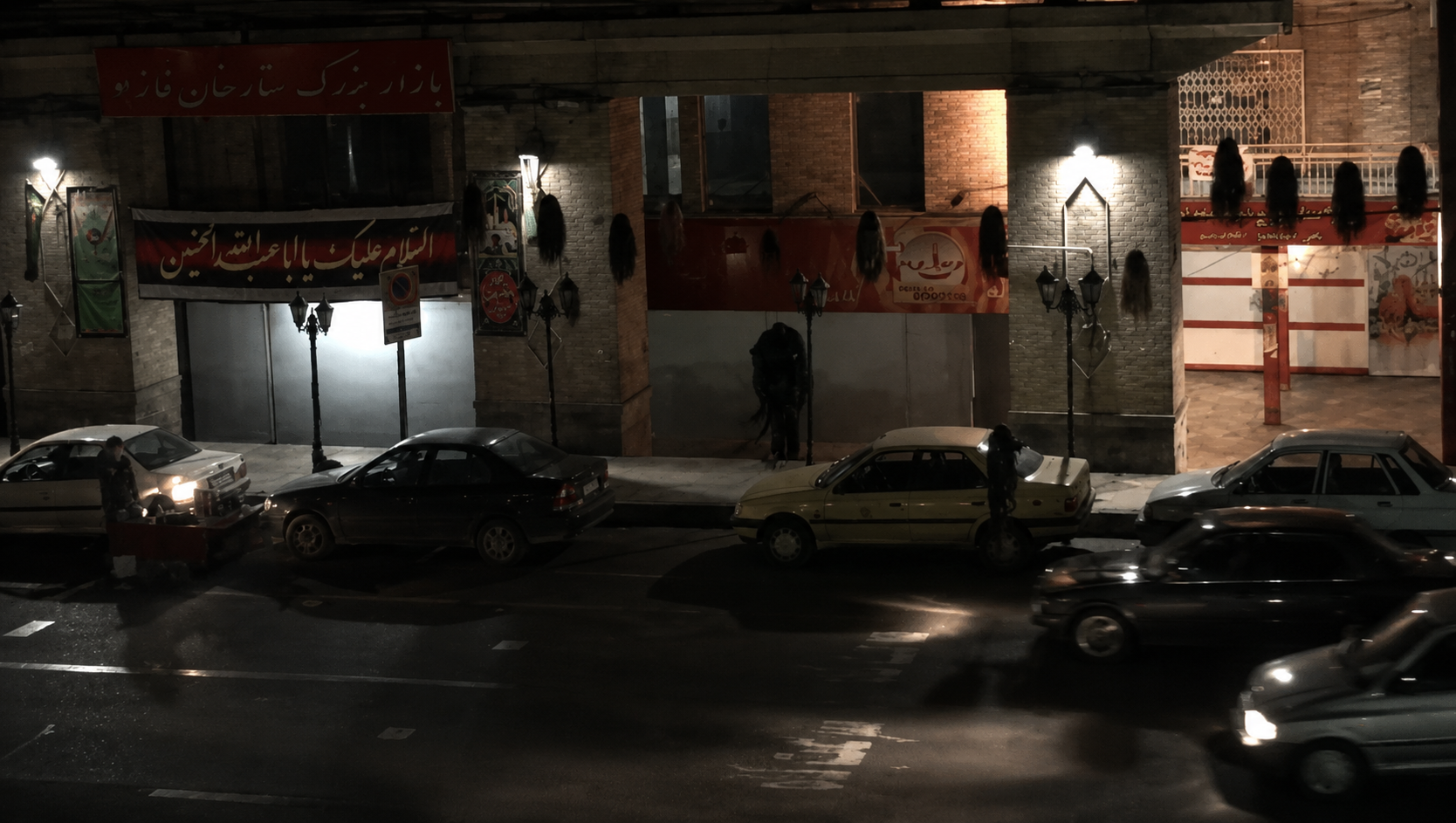
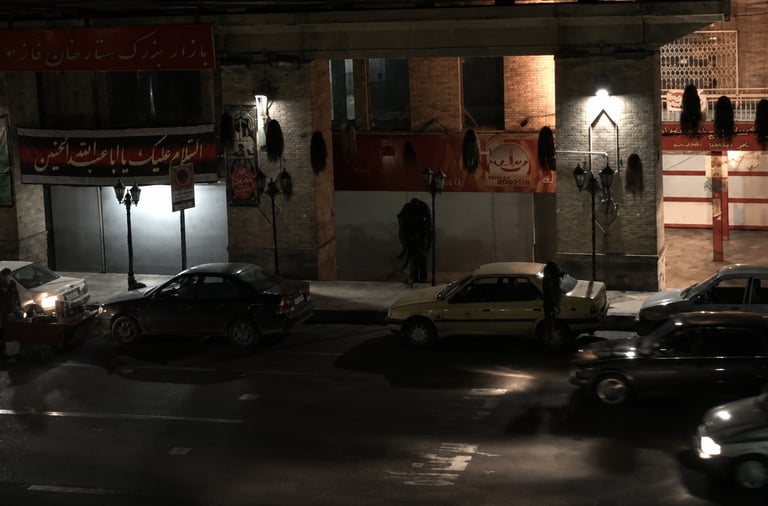
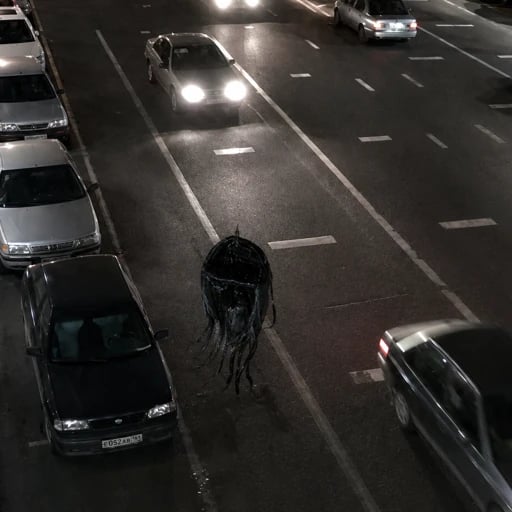
Although the installation was later removed, the image produced that night did not disappear. It persisted as an imagination and a possibility. More than a decade later, similar urban gestures resurfaced across Iran during the Woman Life Freedom movement. What appeared that night as a fleeting intervention returned as part of a wider language of resistance.
PRESENCE
Tehran, 2011
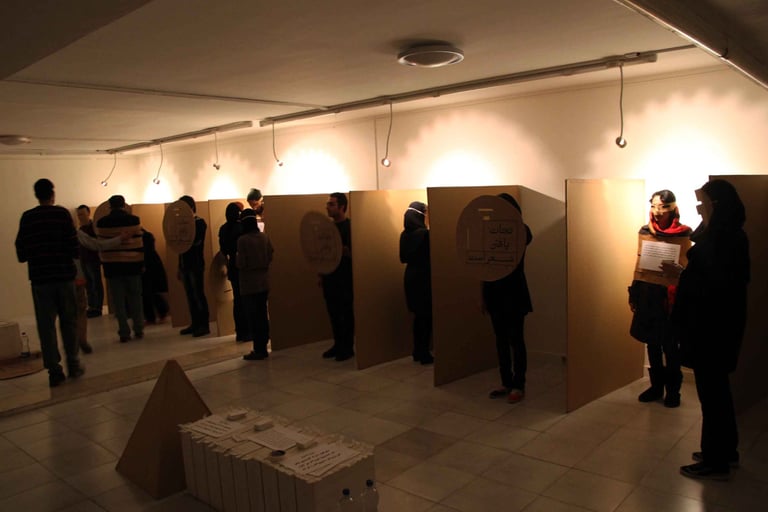
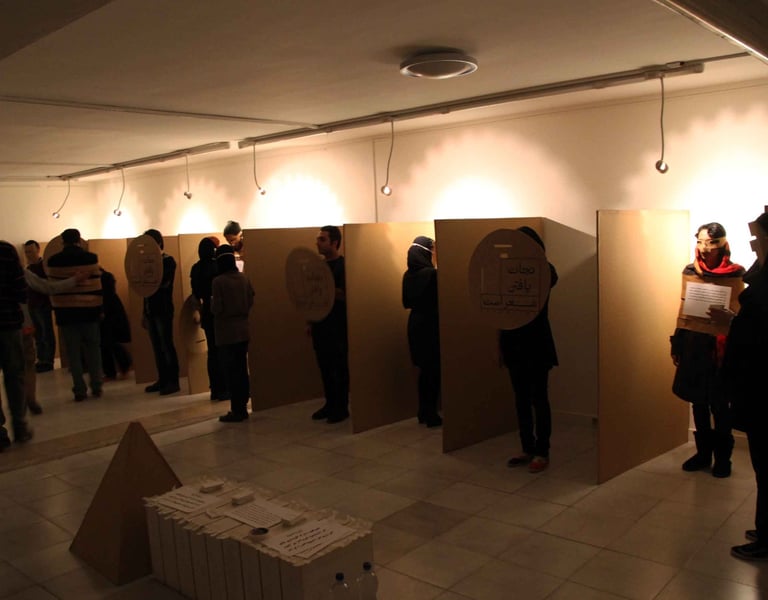
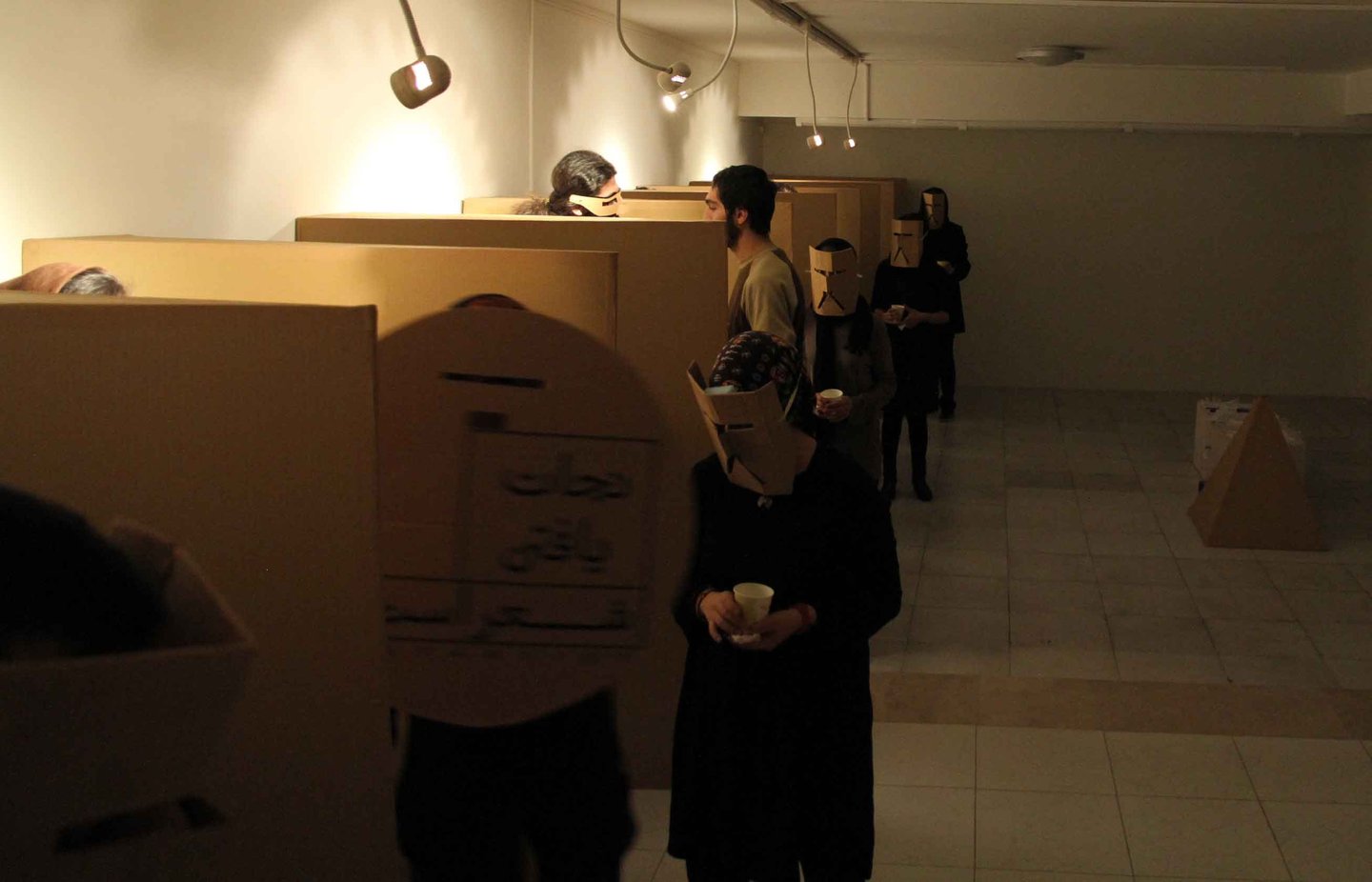
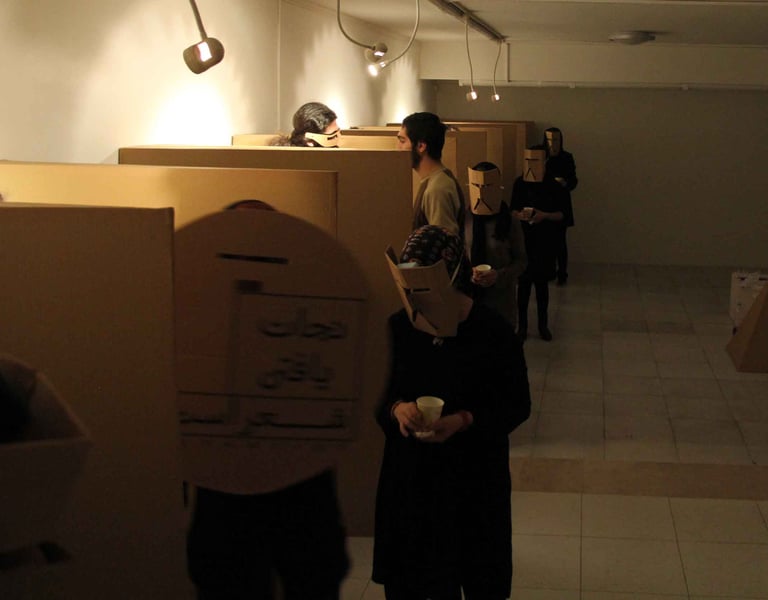
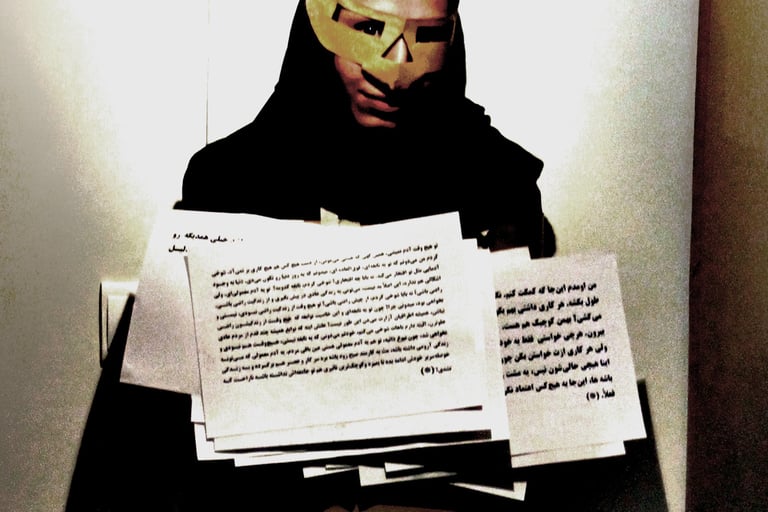
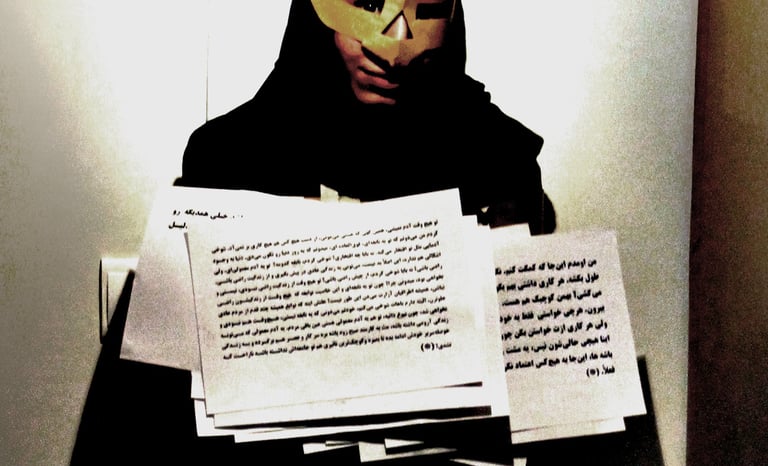
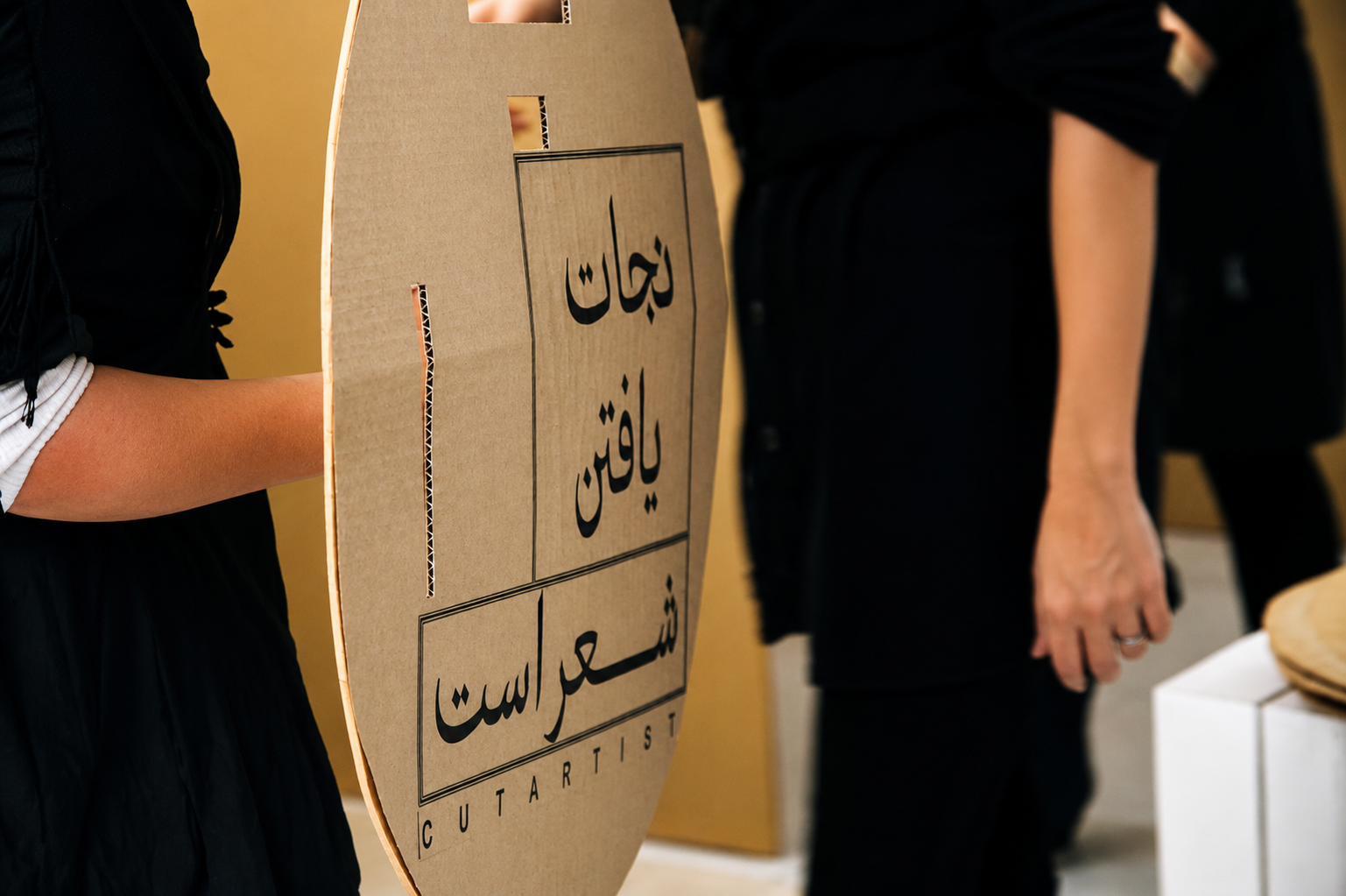
CATHARSIS explored the possibility of creating a temporary rupture within the ordinary functioning of space. Through the presence of the body and the interruption of habitual rhythms, the performance transformed the gallery into a field of encounter. It generated a situation in which bodies, actions, and proximity reorganized the dynamics of the space.
In this group performance, the body was not treated as a representation but as an operative force. Through presence, gesture, and duration, it altered the atmosphere of the space and redirected attention to the fragile dynamics that structure collective environments. What emerged was not a stable form but a situation in constant negotiation, shaped by time, proximity, and the unpredictable interactions between participants.
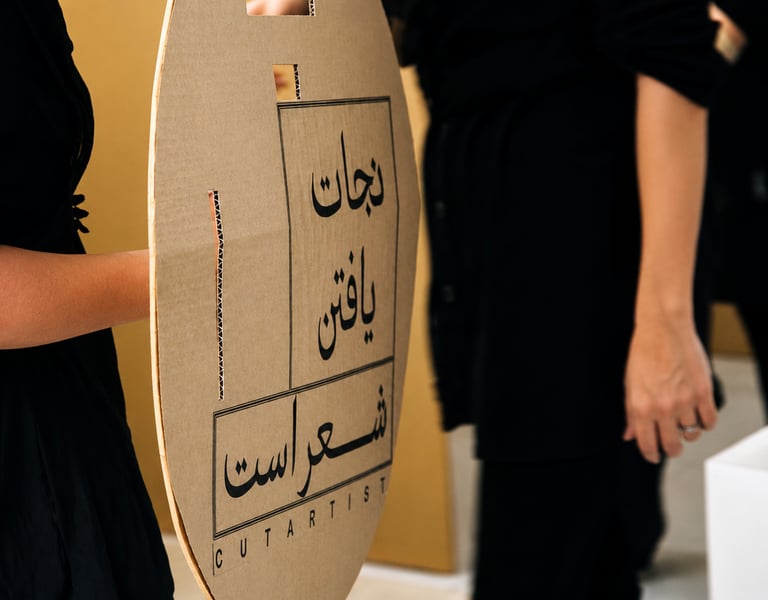
CATHARSIS
Tehran, 2012
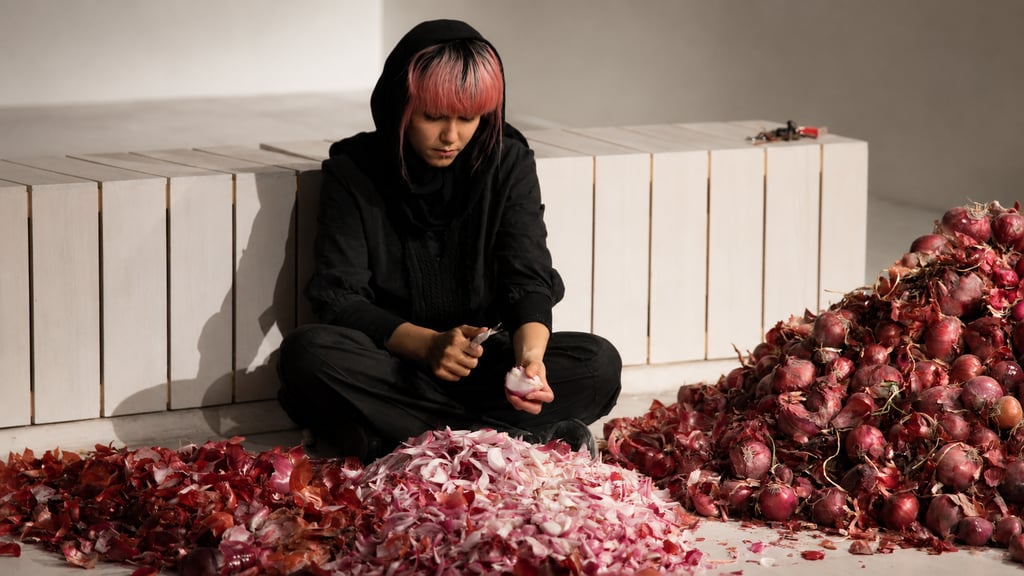
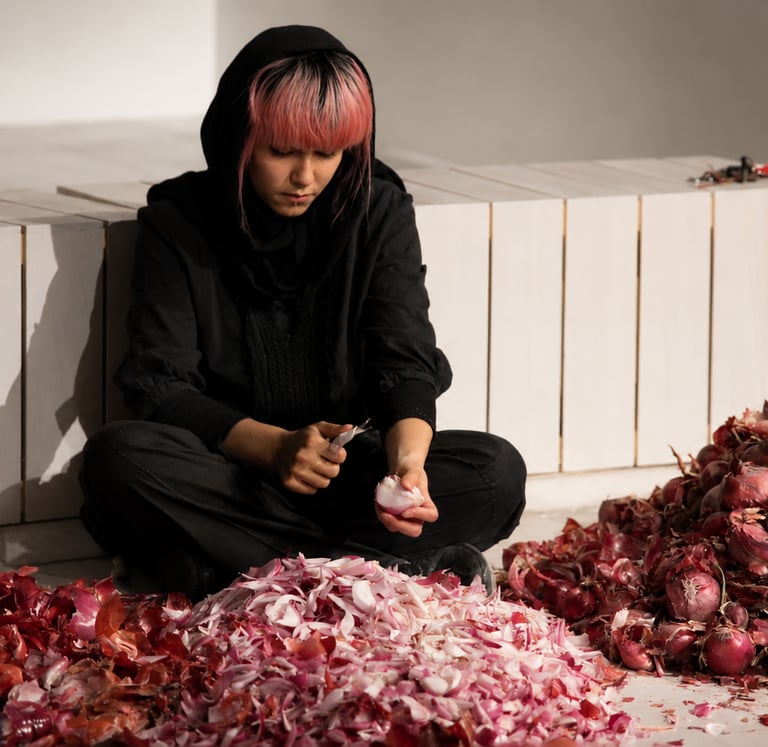
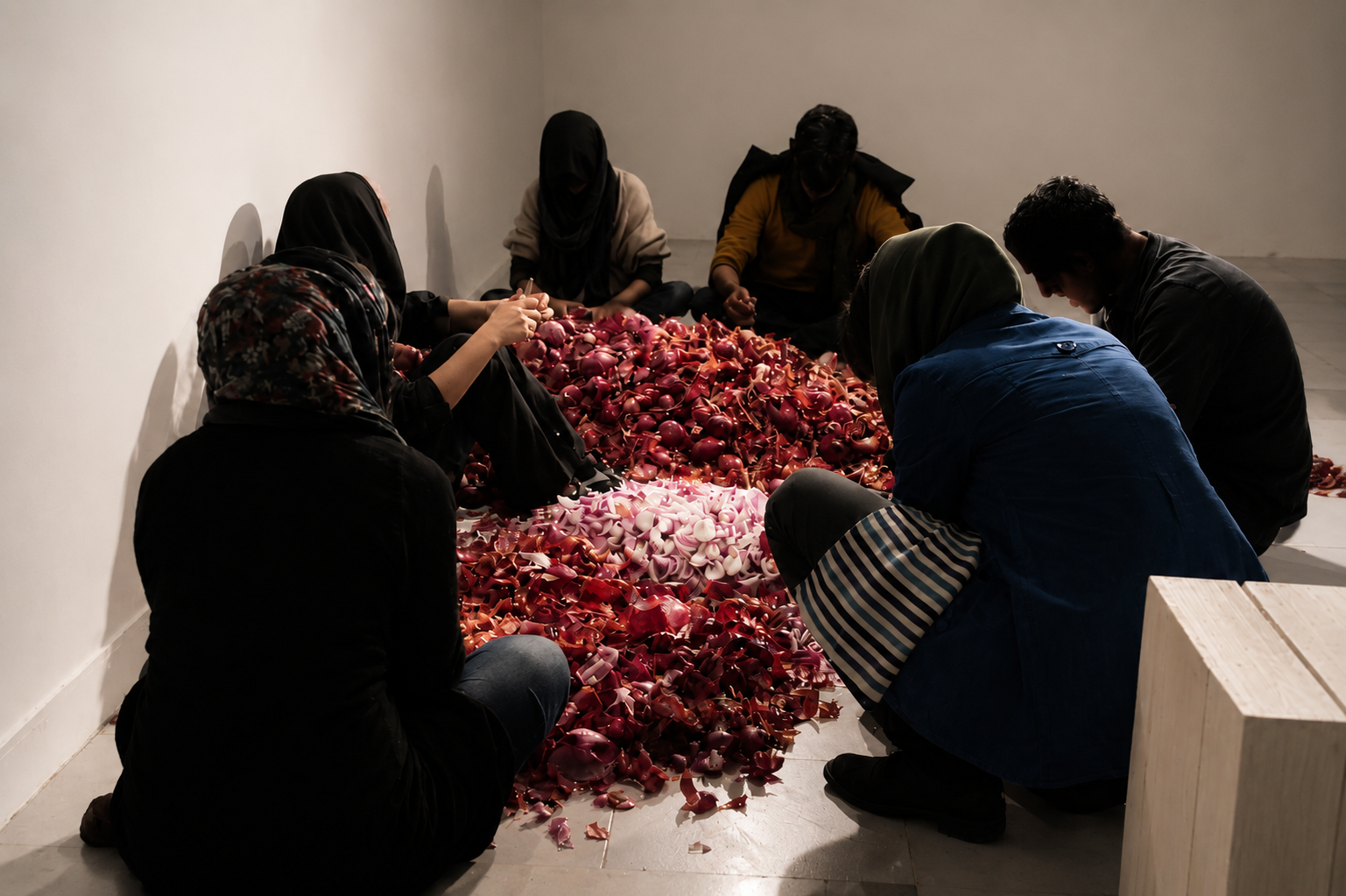
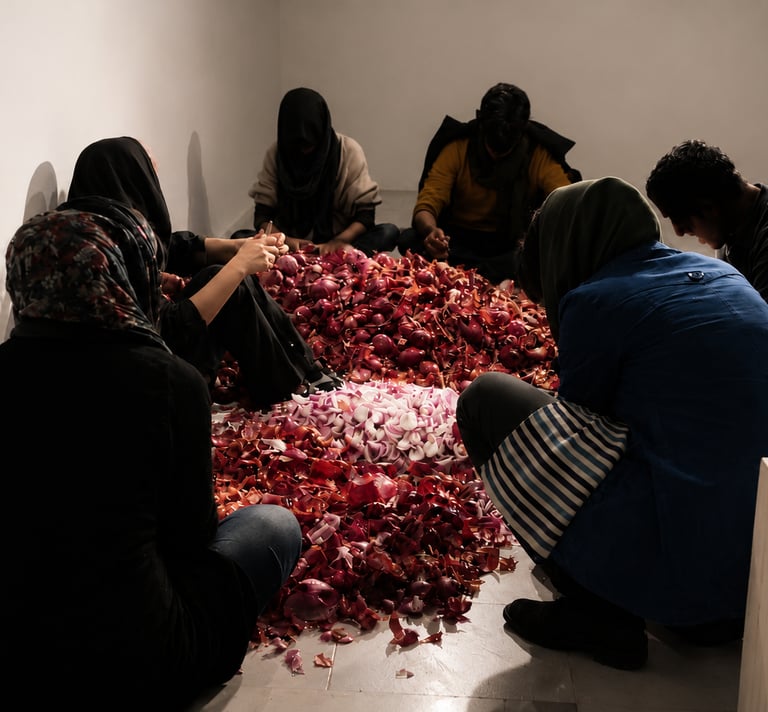
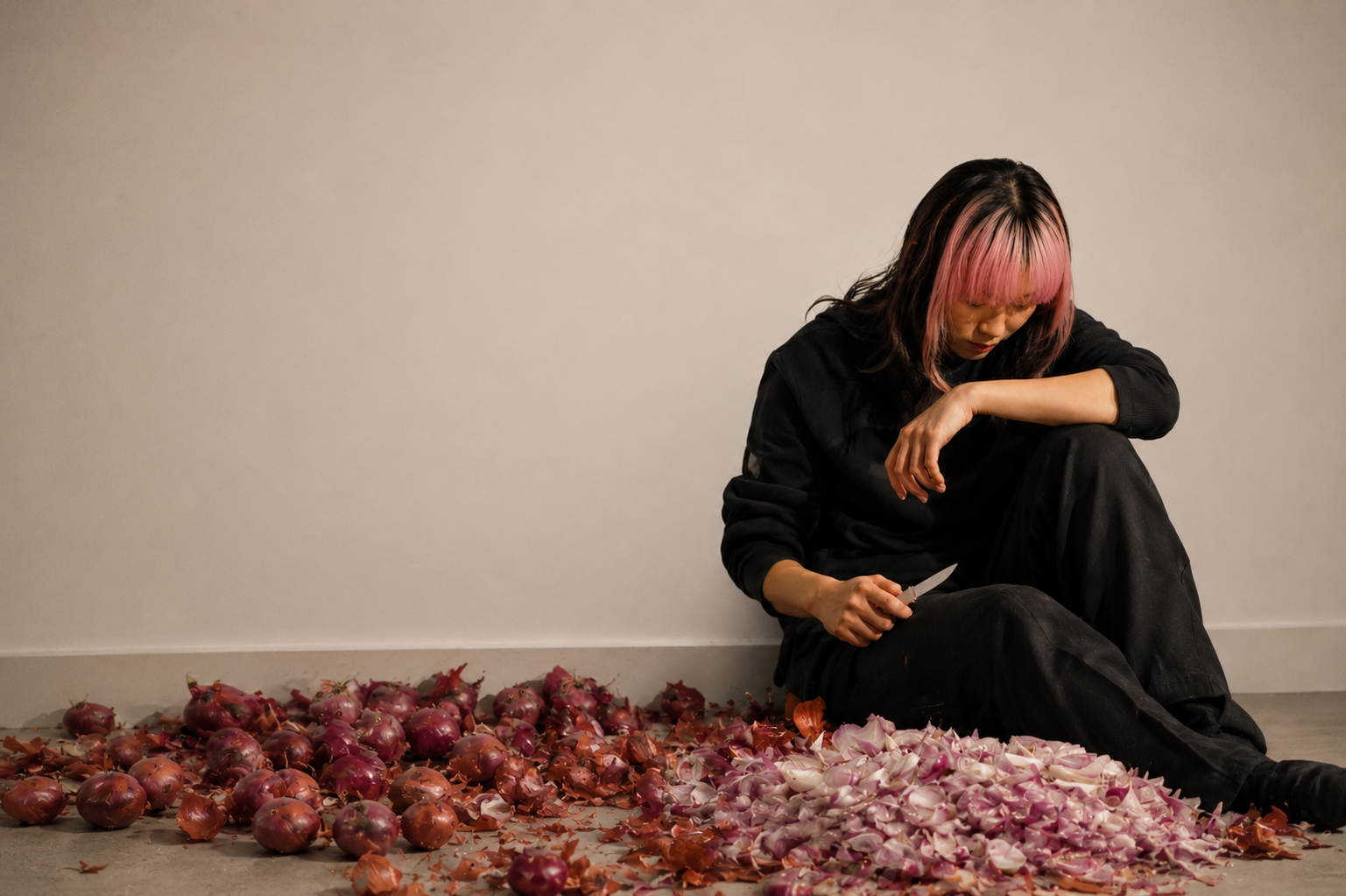
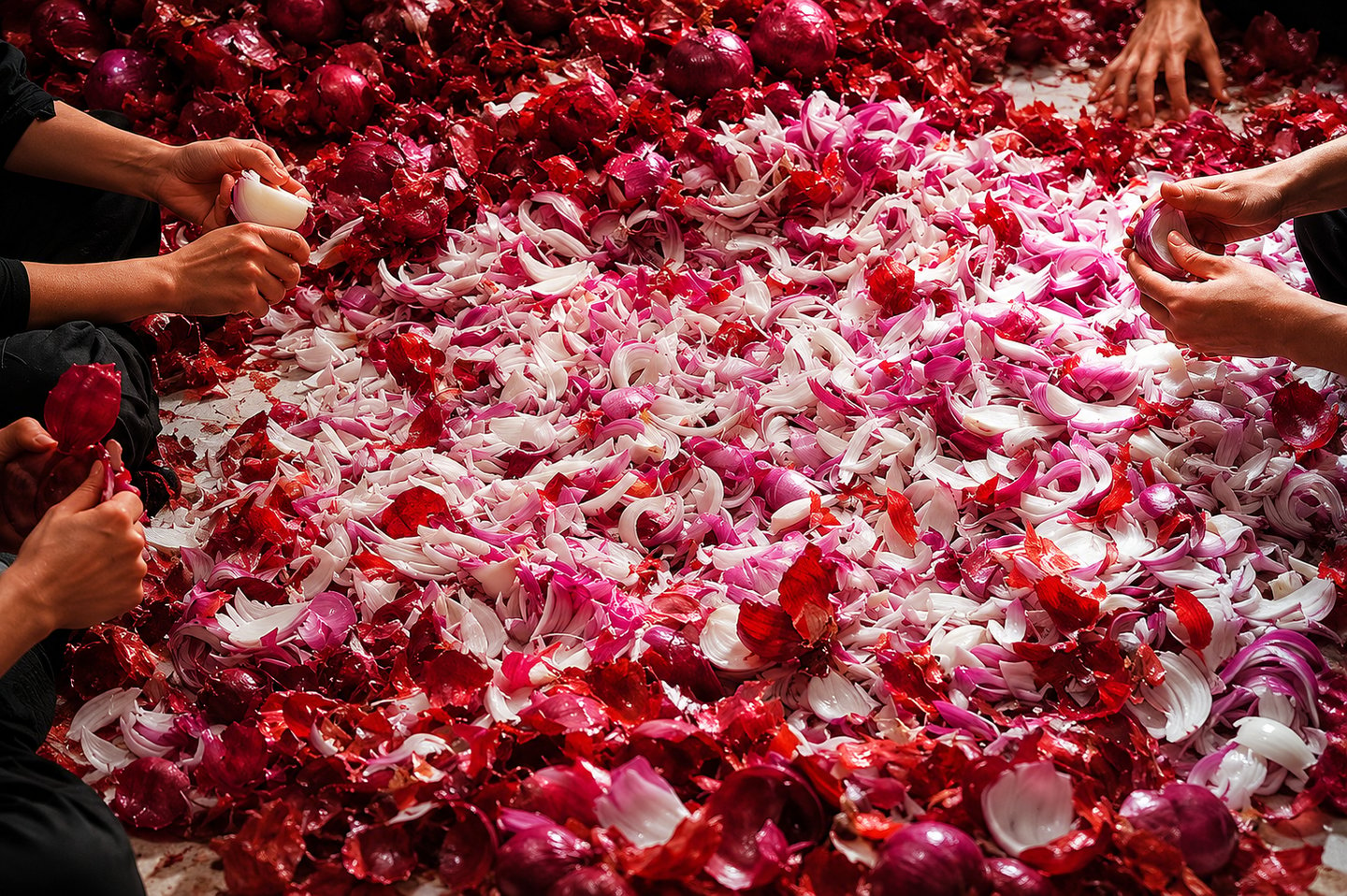
On Ashura, the Shi’a day of mourning for the martyrdom of Husayn ibn Ali, 350 kilograms of onions were chopped inside the Arte Gallery. As the action repeated, the atmosphere of the space gradually shifted. Audience members joined the performer, chopping onions, speaking with one another, and tearing uncontrollably, remaining inside the unfolding situation until after midnight.
Since the 1979 revolution, Iran’s Islamic government has built its identity around Islam, not only as a religion but as a political foundation have played a central role in reinforcing that identity. Within this framework, state-sponsored rituals, including annual mourning ceremonies, have played a central role in reinforcing that identity, which has become a visible part of public life. Over time, the role and meaning of these practices have also become increasingly contested within Iranian society.
Iran has historically been home to diverse religions and belief systems. In this context, the imposition of a singular, state-defined religious identity, among other factors, has remained a source of ongoing tension and debate.
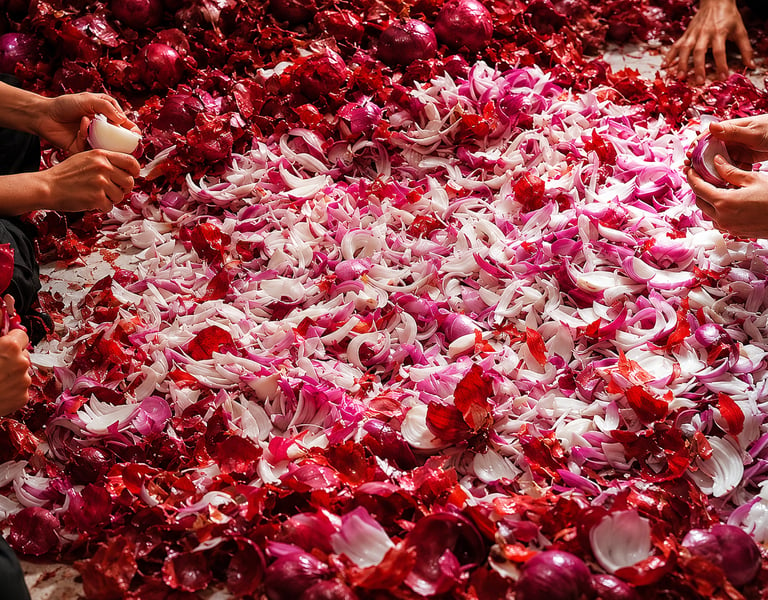
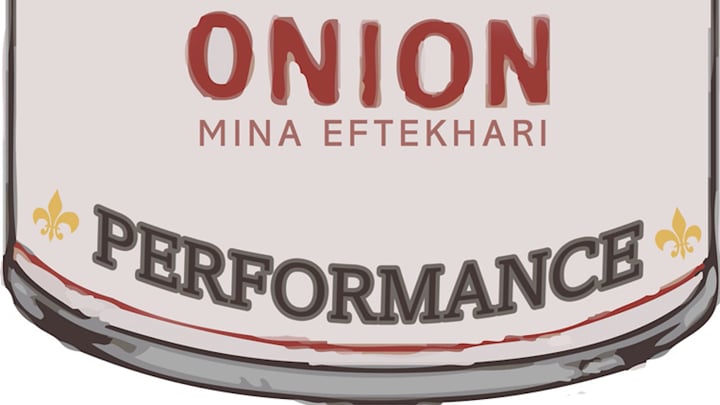
ONION
Tehran, 2013
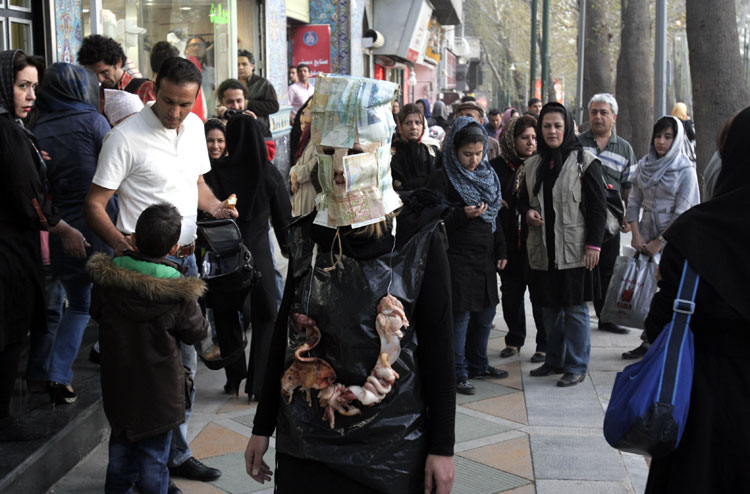
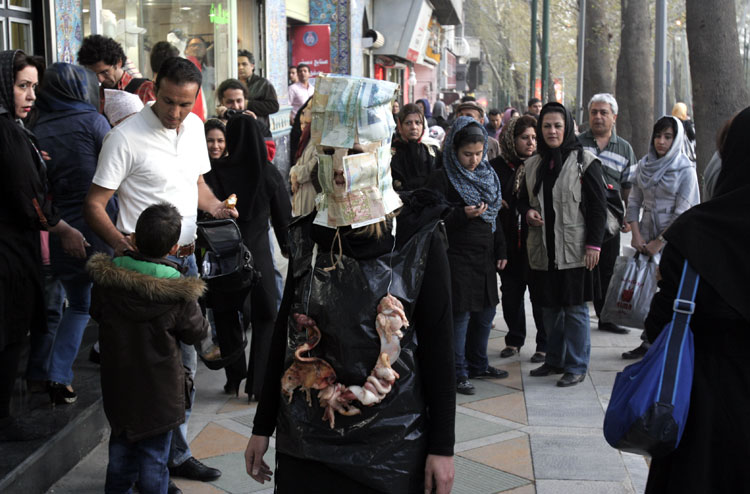
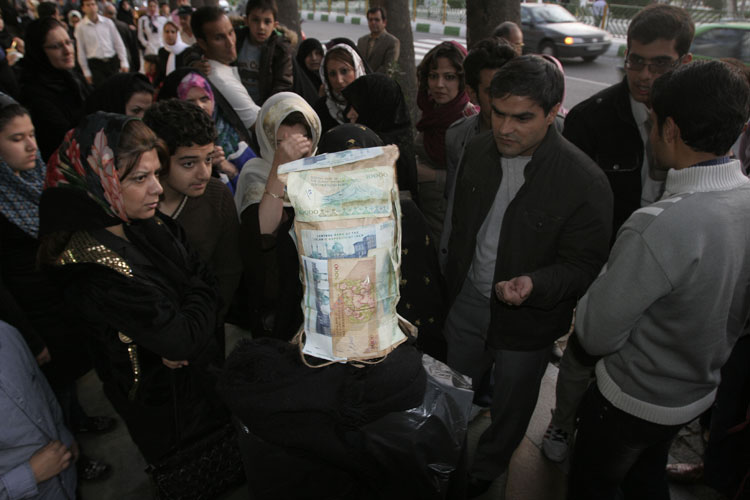

Slaughtering March was a street performance developed from reflections on Tehran and the social dynamics of everyday life in the city. The work attempted to suspend the ordinary logic of “presence” in the public sphere and to disturb the dominant order that regulates how bodies move, pause, and appear in urban space.
For a brief moment, the sidewalk, normally a site of uninterrupted passage where pedestrians move past one another without stopping, was reconfigured. Its function shifted from a sidewalk to a space for standing, gathering, and conversation. The performance introduced a temporary rupture in the street's routine rhythm, momentarily disrupting the city's everyday choreography.
Performed in 2009, the action began as a walk along the street and stopped in front of two shopping malls in northern Tehran. The intervention eventually ended with the arrival of police officers and an attempt to arrest the performer.
SLAUGHTERING MARCH
Tehran, 2009
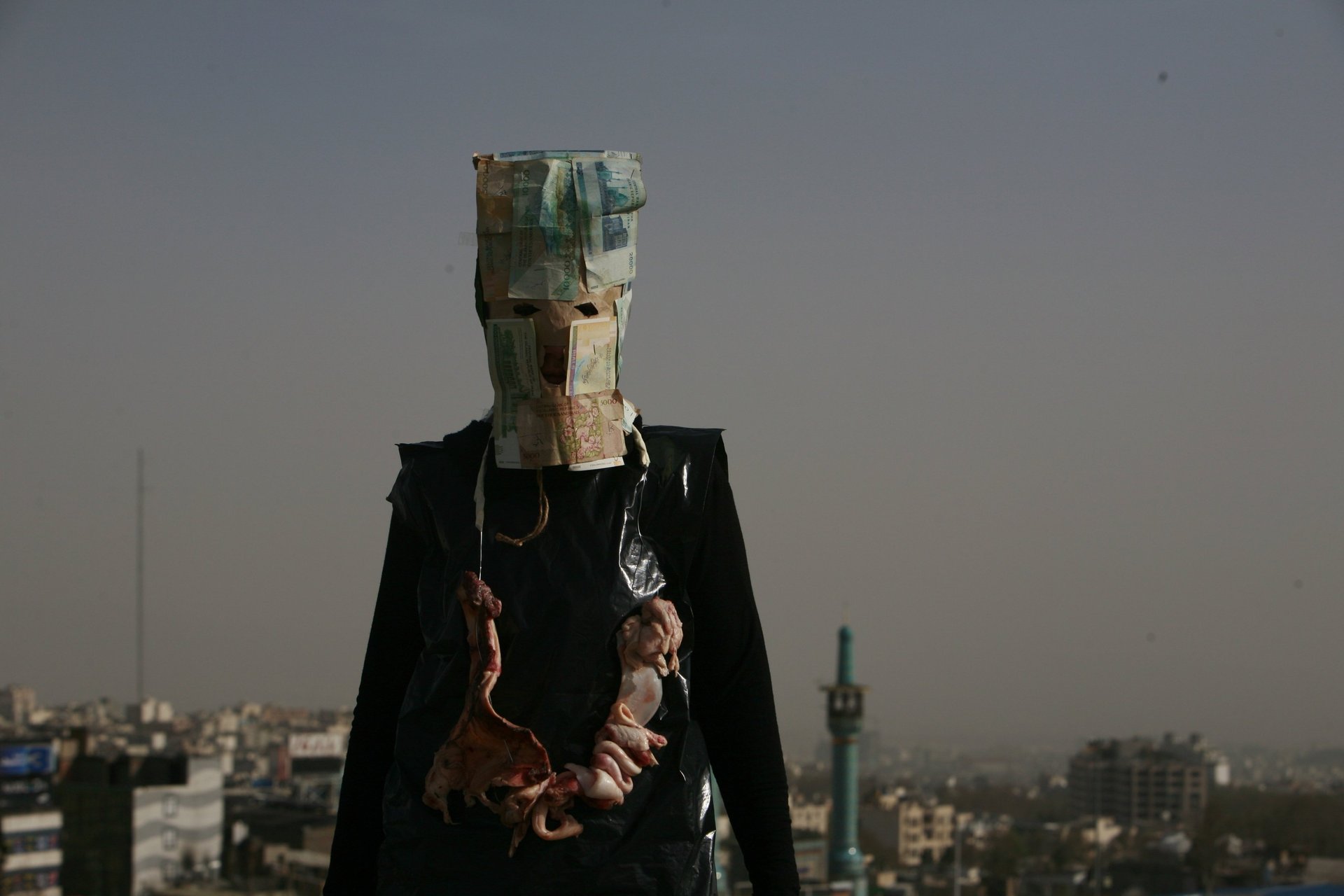
MUSIC PERFORMANCE, VOL. 2
Tehran, 2012
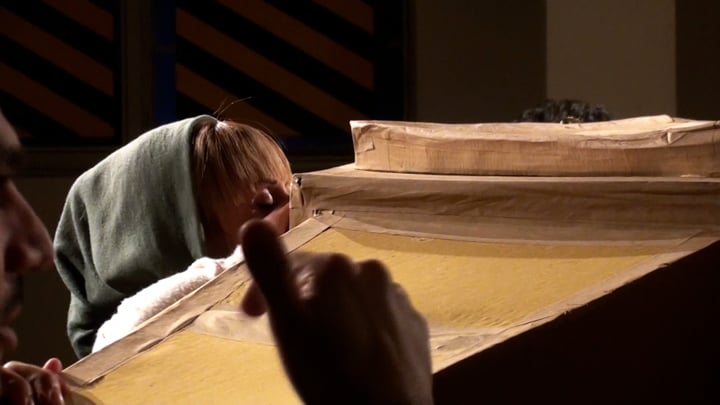
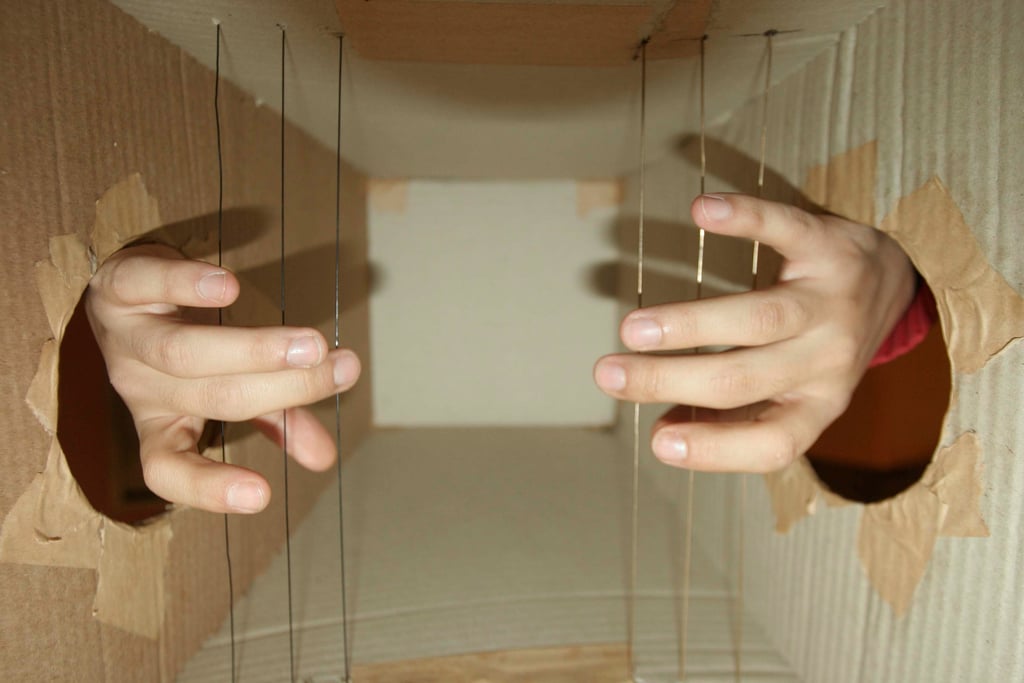
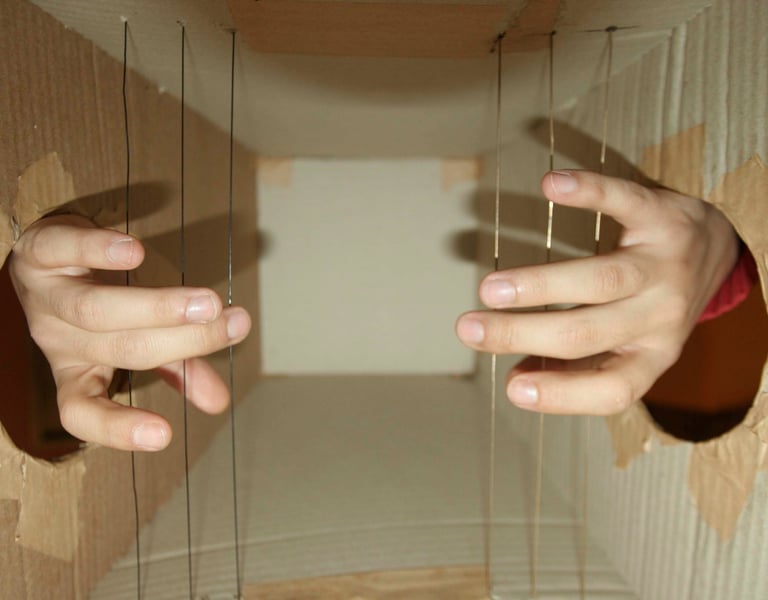
Cutartists Group invented these musical instruments for a performance on the back of a truck. All instruments combined into one, creating a large box that covers the audience.
The idea was to perform underground music overground in a private space, moving within a public space! The audience was invited from the street, and they listened to cardboard musical instruments being played for them behind a truck. This happened on 26 Oct. 2011.
LADY IN RED
Tehran, 2011
A Moving Urban Sculpture
In a country that crushed the statues of its red-dressed women
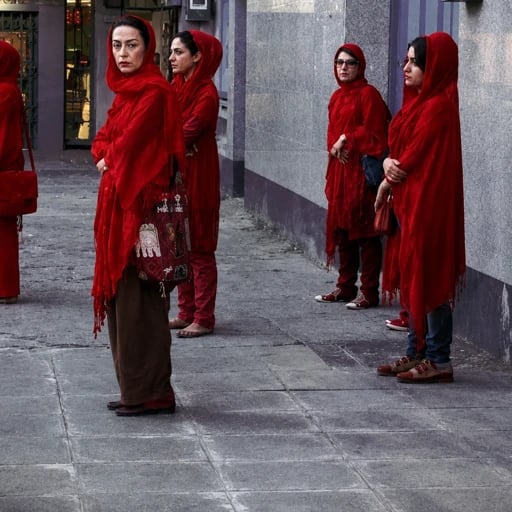
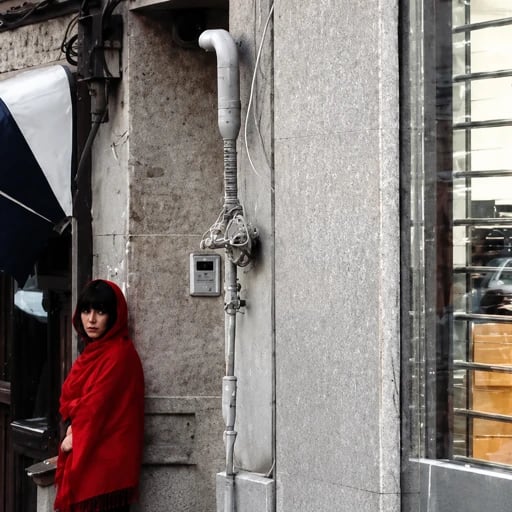
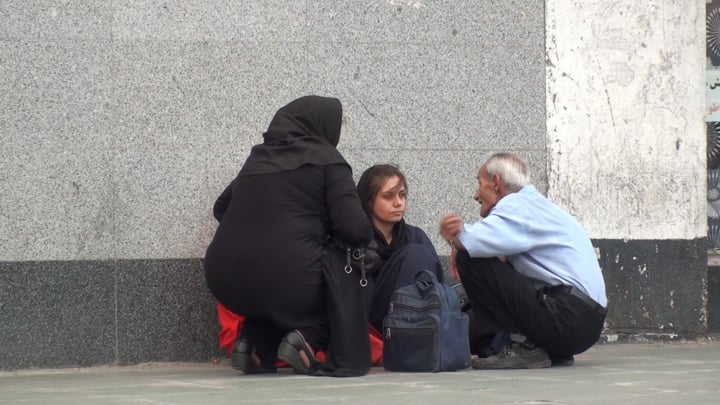
The intervention began subtly: each day, a single woman dressed in red stood alone in the square. On the final day, the scale shifted as nearly 50 women, all clad in red, converged to encircle Ferdowsi Square, staining the gray, controlled urban landscape with a haunting crimson. By multiplying her image, we moved beyond the myth of the 'waiting woman.' In a city where the female body is systematically erased from public monuments, we became a moving sculpture, a living testimony to presence, memory, and the refusal to disappear.
For thirty years, a woman known as 'Yaqout' stood in Tehran’s Ferdowsi Square, dressed entirely in red, waiting for a lover who never arrived. Urban myths framed her as a figure of tragic romance, yet Yaqout herself remained silent, sharply dismissing the narratives imposed upon her. This group performance sought to reclaim this silence and transform it into a collective defiance.